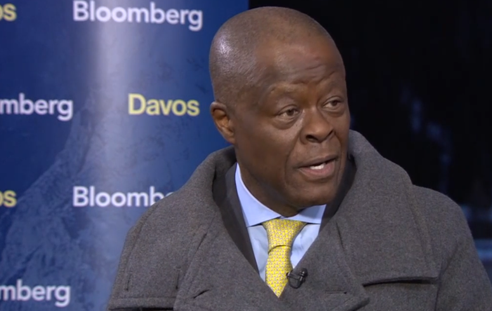



Nigeria is accelerating its transition toward a private-sector-led economy. At the AlUla Conference for Emerging Market Economies in Saudi Arabia, Finance Minister Wale Edun confirmed that the federal government is finalizing a list of state-owned assets to be offered to private investors this year.
“What we have put in place, has made Nigeria very competitive in terms of the economic conditions” and “very attractive in terms of the incentives for investors” Edun said. “I think investors are now more comfortable to invest in Nigeria.”
The move is a central pillar of the 2026 fiscal strategy, aimed at narrowing a ₦25 trillion budget deficit and reducing the state’s role in commercially viable sectors. The Bureau of Public Enterprises (BPE) has already identified a staggering 91 public enterprises for potential privatization or commercialization.
The 2026 List: Where the Capital is Going
The government’s strategy targets four critical sectors long plagued by inefficiency and underinvestment:
-
Energy & Refineries: Negotiations are advanced for Sinopec and other global players to take equity stakes in the Port Harcourt, Warri, and Kaduna refineries. Additionally, the NNPC has launched a bidding process for stakes in select Joint Venture (JV) oil blocks.
-
Aviation & Transport: Plans are in motion to concession major international airports and revitalize rail infrastructure through Public-Private Partnerships (PPPs).
-
Agriculture & Steel: Assets like the Ajaokuta Steel Company and various agricultural silos and processing plants are being prepared for divestment.
-
Power Sector: Following the 2013 privatization, the government is looking to sell its remaining interests in several National Integrated Power Plants (NIPPs).
Fiscal Motivation: Financing the ₦58tn Budget
The 2026 Appropriation Bill sets an ambitious target for “Unconventional Revenue”:
-
Revenue Goal: The government aims to raise at least ₦189.16 billion directly from asset sales in 2026.
-
Deficit Reduction: With a total projected expenditure of ₦58 trillion and only ₦33.2 trillion in traditional revenue, asset sales are viewed as a “debt-free” way to fund the ₦25 trillion gap.
-
Investor Incentives: Minister Edun emphasized that 2025’s tax reforms and FX stability have made Nigeria “very competitive,” providing the necessary comfort for foreign capital to return.
The “Bayo Ojulari” Impact at NNPC
The most significant change in the privatization landscape is the shift in stance at the NNPC Ltd:
-
Portfolio Optimization: Under CEO Bayo Ojulari, the state oil firm is no longer holding onto idle assets. It is offering up to 25% equity in mature fields to private operators who can provide the technology and capital to stem production declines.
-
Refining Pivot: The government has finally moved away from “Turnaround Maintenance” (TAM) contracts, preferring to let private equity partners operate and fund the facilities.
Nigerian President Bola Tinubu embarked on a series of reforms after coming to power in May 2023, including eliminating costly petrol subsidies, allowing the currency to trade more freely against the dollar and overhauling its tax laws. The measures helped rein in consumer inflation, stabilize the naira and boost government revenue.
“We are interested in private public partnerships, optimization of our assets by having others come in and invest,” Edun said.
 Follow the MoneyCentral Nigeria channel on WhatsApp: Click here!