
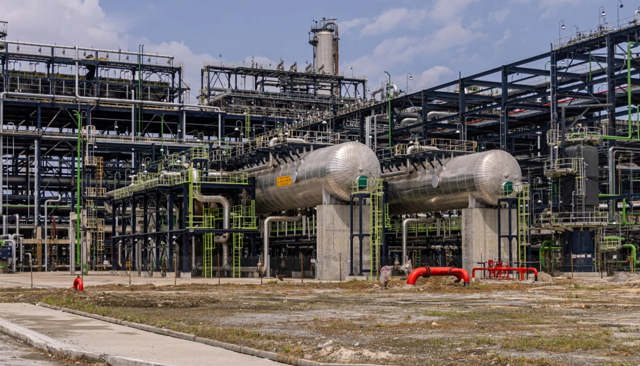



New data from S&P Global Commodities at Sea (CAS) reveals a stark shift in the West African energy balance for April 2026.
While the region has seen 899,000 metric tons (mt) of diesel and gasoil arrive at its ports so far this month, the Dangote Petroleum Refinery—which recorded a surge in exports in March—has yet to ship any diesel or gasoil into the international market this April.
This temporary “export drought” from the Dangote Refinery plant at Lekki comes as Russia continues to solidify its footprint in the region, supplying 153,000 mt of the total April inflows.
The Import Breakdown: April Momentum vs. March Peaks
Total imports into the sub-region are currently trending lower than the previous month, suggesting a potential buildup of local inventories or a shift in procurement strategy by regional marketers.
Source: S&P Platts
-
The Russian Factor: Despite Western sanctions and the Iran war disruptions, Russia remains a primary “supplier of last resort” for West Africa, accounting for roughly 17% of the region’s total diesel imports so far this month.
-
Inventory Absorption: The drop from March’s 1.355 million mt peak to the current 899,000 mt suggests that the market may be digesting the massive volumes imported during the late-March “war-scare” window.
Why the Dangote Export Pause?
The absence of April exports from the 650,000 bpd refinery has caught market analysts by surprise, especially after its March rebound. Several strategic factors likely explain this shift:
-
Domestic Prioritization: As the NNPC doubled crude supply to 10 cargoes in March, the refinery is likely under intense pressure to satisfy Nigeria’s internal gasoline (PMS) and diesel demand first, in line with the “Crude-for-Naira” agreement.
-
Refining for Inventory: Management may be building up “Strategic Reserve” levels to buffer against potential future disruptions in crude delivery should the Middle East conflict expand further.
-
Maintenance or Optimization: After hitting full nameplate capacity in February/March, a temporary pause in exports could indicate a shift toward producing high-margin Petrochemicals (Urea/Polypropylene) under its new $40 billion expansion blueprint.
 Follow the MoneyCentral Nigeria channel on WhatsApp: Click here!
 reveals a stark shift in the West African energy balance for April 2026)