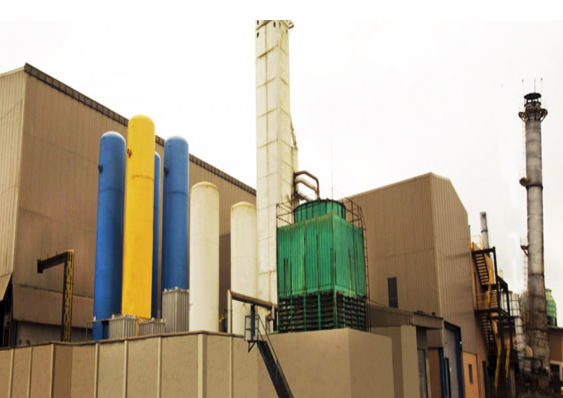



African Foundries Limited (AFL), a major Nigerian steel complex has retained its position as the dominant operating anchor of African Steel Holdings Limited (ASHL), successfully leveraging massive economies of scale to defend its primary manufacturing market share against severe macroeconomic volatility, foreign exchange conversion shocks, and domestic supply chain blocks.
The firms earnings is positive, balancing sustained naira-based turnover growth, against adverse foreign currency translation effects and compressed margins. Revenue is predominantly generated in naira, but the group reporting currency is USD, exposing financial performance to foreign currency translation volatility. This continued to manifest in 2025, with strong naira revenue growth of 26.6% translating to just 4.1% growth to USD450.2 million.
While AFL’s financial contribution to the broader group’s revenue profile moderated slightly to 48% down from 52% in prior cycles, the subsidiary remains the structural engine powering the conglomerate’s high-end steel rebar operations.
The holding company controls the largest domestic production infrastructure footprint in Nigeria, operating a network across five active entities. Supported by a captive power plant that provides firm energy security, the group successfully sustained high operational volumes, balancing automated production schedules against shifting infrastructural demands.
The Currency Translation Disconnect
The group’s underlying financial books highlight a growing structural distortion facing top-tier real-sector manufacturers operating within Nigeria’s deregulated foreign exchange environment:
The revenue mismatch underscores a significant reporting friction: while the industrial complex generates the vast majority of its cash flows locally in Naira, its global accounting parameters are fixed strictly in U.S. Dollars. Consequently, severe currency depreciation during the fiscal cycle erased most of the group’s nominal local currency gains when translated back onto international balance sheets.
Defending Compressed Margins with Industrial Moats
Beyond foreign exchange translation issues, the group’s operating profitability faced real-economy pressures. EBITDA margins declined to 8.8%, down from a historic high of 17.9% recorded in 2023. This margin compression reflects a steep rise in the cost of locally sourced scrap metal and imported billets, driven by higher port landing costs and domestic transport bottlenecks.
To defend its bottom line against rising input prices, the group utilized its substantial Direct Reduced Iron (DRI) backward integration loop.
The DRI Input Layer: Operating via a related entity with an installed capacity of 500,000 metric tonnes per annum, DRI production accounted for roughly 40% of the plant’s raw metallurgical inputs. By utilizing DRI as a reliable, high-grade substitute for volatile scrap metal, African Foundries successfully minimized raw-material inflation, kept its furnaces running continuously, and reduced overall working capital pressures.
Robust Cash Reserves Balance Leverage Softness
On the leverage front, lower baseline earnings placed some near-term pressure on gearing metrics, offsetting the group’s debt-reduction efforts. Total gross debt fell to $184.7 million following structured bank repayments, but lower operating margins pushed the group’s net debt-to-EBITDA ratio up to 2.6x.
Importantly, the group maintains a highly secure funding structure to insulate itself from market shocks. Approximately 54% of its entire debt portfolio consists of interest-free shareholder and related-party loans, drastically reducing its vulnerability to rising interest rates and minimizing refinancing risks.
With an unencumbered cash buffer of $80.0 million on hand and an estimated $20 million in regular dividend payouts scheduled through December 2026, the group is well-capitalized.
Looking forward, GCR credit analysts project revenue to expand by 10% to 15% over the upcoming cycle, with operating margins stabilizing between 10% and 12%.
This recovery will be supported by an expected increase in capacity utilization, helping the steel giant maximize its operating leverage as large-scale public infrastructure projects and private real estate investments accelerate across the West African sub-region.
 Follow the MoneyCentral Nigeria channel on WhatsApp: Click here!