


Nigeria’s largest listed manufacturing conglomerates are successfully engineering an aggressive turnaround in operational efficiency, slashing their aggregate cost-of-sales ratios to defend profit margins against a highly volatile global macroeconomic backdrop.
According to data compiled from corporate Q1 2026 financial scorecards, the average cost-of-sales ratio for the country’s tier-1 manufacturers contracted significantly to 55.90% in the first three months of 2026, down from 60.65% recorded in March 2025.
This 475-basis-point downward shift demonstrates robust cost discipline and structural resilience, even as a widening military conflict involving the U.S., Israel, and Iran triggers a global fertilizer and energy inflation spike that has heavily inflated agricultural raw materials.
To break through a brutal domestic operating environment defined by currency float unification, the absolute removal of retail fuel subsidies, and an unreliable national power grid, manufacturers have been forced to structurally pivot their supply chains. The primary lever of this defense has been aggressive energy substitution—abandoning expensive, volatile automotive gas oil (diesel) in favor of cheaper domestic natural gas and alternative bio-materials.
Consumer Goods Escape the Imported Inflation Trap
On the Nigerian Exchange (NGX), consumer goods components registered parallel efficiency gains. The sub-sector’s average cost-of-sales ratio fell to 60.75% in March 2026, down from 65.31% in the prior year’s corresponding quarter.
A prime mover of this transition was Dangote Sugar Refinery Plc, which recorded a massive 77.5% decline in direct overhead costs alongside a 76.8% contraction in petrol and vehicle oil expenses year-over-year. While some equity analysts at Zedcrest Research point out that a portion of the reduction reflects lower raw processing volumes, the concurrent expansion of the company’s gross profit margins confirms that structural energy substitution drove a more favorable baseline cost profile.
Similarly, Fast-Moving Consumer Goods (FMCG) bellwether Nestlé Nigeria Plc achieved robust top-line revenue growth while carving out a 9.0% decline in direct overheads. Nestlé’s strategy heavily leveraged local backward integration—sourcing the bulk of its agricultural inputs within the country to entirely bypass the imported inflation and transactional FX volatility plaguing secondary raw material importers.
Cement Giants Erect a Cost Wall
Cement makers have demonstrated better energy strategies which are responsible for an improvement in cost ratios and profit margin expansions.
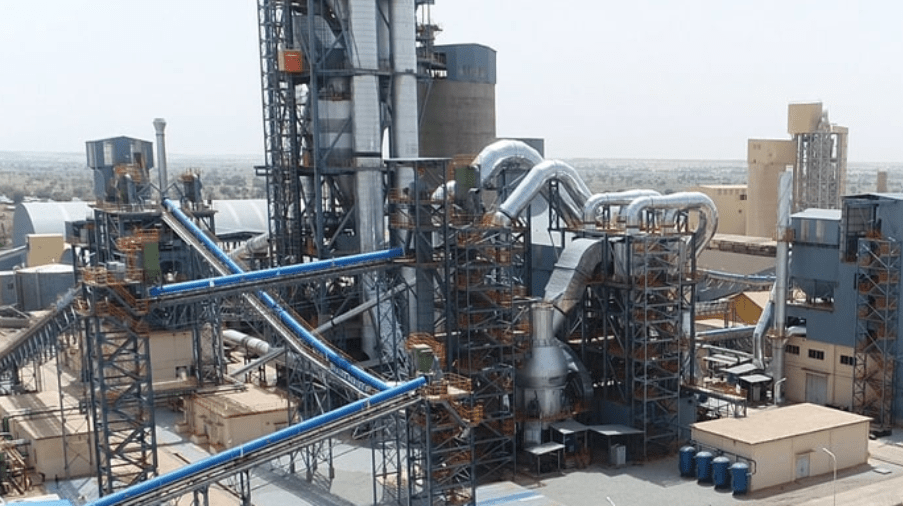
The cumulative average cost-of-sales ratio for Nigeria’s dominant cement triumvirate—Dangote Cement Plc, BUA Cement Plc, and Lafarge Africa Plc—shrank to 39.74 percent in March 2026 from 47.91 percent in March 2025, according to MoneyCentral calculations.
“Lafarge Africa has taken a number of innovative approaches to energy cost management. Its Ewekoro and Mfamosing plants have been upgraded to accommodate alternative fuels, including biomass, municipal waste, and tire-derived fuel,” said analysts at Chapel Hill Denham.
By shifting their input dependencies away from imported fossil fuels and international supply chains, Nigeria’s corporate titans are reshaping the domestic manufacturing playbook.
 Follow the MoneyCentral Nigeria channel on WhatsApp: Click here!