
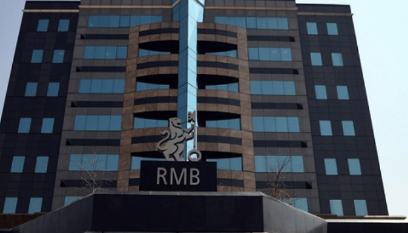



Rand Merchant Bank Nigeria Limited (RMBN) accounted for 30.0% of the merchant banking sub-sector’s total assets as of December 31, 2025, positioning it among the leading players in the segment with strong earnings performance and access to FirstRand Group’s expertise and network.
As of December 31, 2025, the bank accounted for 30.0%, 35.3%, and 22.3% of the merchant banking sub-sector’s total assets, gross loans, and customer deposits, respectively, positioning it among the leading players in the segment.
The bank’s strategy is focused on serving large, blue-chip corporates, through a suite of solutions spanning trading and risk management, short-term working capital and trade finance, as well as longer-term financing and capital markets advisory.
In addition, RMBN leverages FirstRand Group’s product capabilities and international reach to deliver a broad range of financial solutions to corporate clients in Nigeria.
Profitability and revenue composition
The bank’s niche focus and operational efficiency continue to support profitability metrics that measure well above peers. However, earnings remain concentrated in relatively volatile market-sensitive income, which accounted for 45.7% of operating revenues as of December 31, 2025 (December 2024: 66.9%).
Risk profile remains sound, underpinned by asset quality metrics that compare favourably with industry averages. As of December 31, 2025, non-performing loans (NPLs) and credit loss ratios registered at 0.5% and 0.7%, respectively (December 2024: 1.4% and 0.8%), both well below the banking industry averages of approximately 8.0% and 3.5%.
However, counterparty concentration remains elevated, with the top twenty obligors accounting for 99.5% of gross loans as of December 2025 (December 2024: 91.8%).
This reflects the bank’s focus on large-ticket transactions and gives rise to significant single-name concentration risk. Furthermore, 55.7% of the loan portfolio was unsecured as of December 31, 2025, which exposes the bank to elevated credit risk in the event of obligor defaults, particularly in a challenging operating environment.
However, this is partly mitigated by the bank’s focus on high quality obligors.
 Follow the MoneyCentral Nigeria channel on WhatsApp: Click here!
 accounted for 30.0% of the merchant banking sub-sector's total assets as of December 31, 2025)