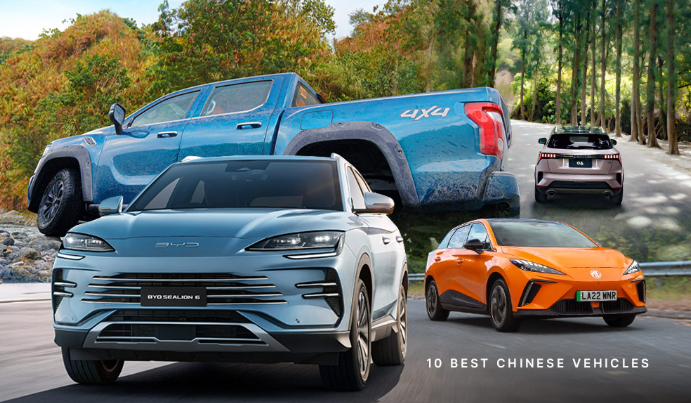



Driven by an unprecedented export surge that could top 12 million vehicles annually, despite the U.S best efforts to cripple them, Chinese automobiles are entering Nigeria at record rates.
Marketed heavily via TikTok and Instagram grey-market channels, these vehicles offer compelling price-to-tech ratios. However, the rapid evolution of the Chinese auto industry creates long-term operational risks that Nigerian buyers must navigate.
Key Operational Risks & Buyer Action Plan
1. Mitigating the “Orphaned Brand” Danger
With industry analysts predicting that only 7 out of 30 major Chinese EV/NEV manufacturers will survive the decade intact, buying from smaller, independent brands carries high bankruptcy risk.
-
Buyer Strategy: Focus on Chinese state-owned enterprises or massive conglomerates with established local assembly plants or franchised distributors in Nigeria (such as GAC via Choice International, Chery via Carloha, or Geely via Mikano). Cross-check global monthly delivery volumes in China and confirm if the brand is actively sold in strict regulatory markets like the UK or Germany.
2. Solving the Spare Parts Supply Gap
Unlike Toyota or Honda, whose parts ecosystems are ubiquitous across Nigerian markets (like Ladipo or ASPAMDA), Chinese replacement parts—especially electronic sensors, ADAS radars, and custom body panels—have fragile supply chains.
-
Buyer Strategy: Require the dealer or grey-market importer to provide a written commitment confirming that high-wear and collision-prone parts (windscreens, headlights, bumpers, and braking sensors) are stocked locally in Nigerian central warehouses rather than ordered on-demand from China.
3. Managing the Accelerated Depreciation & Product Cycle
While Japanese vehicles maintain strong resale value over 5 to 8 years, Chinese original equipment manufacturers (OEMs) operate on hyper-fast 18-month product cycles. A newly bought Chinese car can become technologically obsolete within two years, sharply depressing its secondary market value.
-
Buyer Strategy: Reframe the vehicle lifecycle. Plan to trade in or cycle out of a Chinese vehicle within 3 to 5 years maximum. Holding the vehicle beyond 5 years exposes the owner to severe depreciation, lack of software updates, and scarce replacement parts.
Detailed Guide: Step-by-Step Due Diligence
Check the manufacturer’s global annual sales volume in China. Ensure the brand is backed by a Tier-1 auto group (e.g., SAIC, Changan, Chery, BYD, Geely) rather than an unfunded electric vehicle startup.
Visit the local dealer’s service center in person. Confirm they operate a full 3S facility (Sales, Service, and Spares) with dedicated diagnostic tools specifically calibrated for Chinese electronic control units (ECUs).
Set a strict 3-to-5 year timeline to sell or trade in the vehicle to maximize residual value before the manufacturer releases next-generation hardware platforms.
 Follow the MoneyCentral Nigeria channel on WhatsApp: Click here!