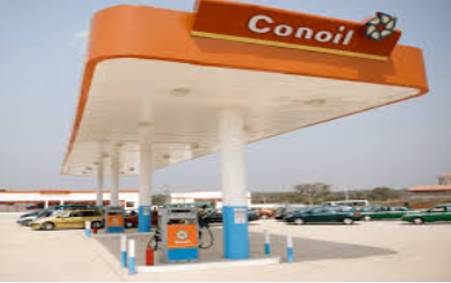



A sharp reduction in the importation of petroleum products due to the onboarding of the Dangote Refinery is biting deep into the margins of downstream oil giant Conoil Nigeria Plc.
For the year ended December 2025, Conoil’s profit after tax (PAT) dipped by 75.25 percent to N2.17 billion from N8.77 billion as at December 2024.
Net profit margin reduced 0.71 percent in December 2025 from 2.71 percent as at December 2024.
Revenue from the sale of petroleum products dipped by 6.62 percent to N301.72 billion as at December 2025 from N323.12 billion as at December 2024.
Conoil and peer rivals (independent marketers) are feeling the pinch of the restriction placed on the importation of petroleum products as Dangote Refinery is meeting local demands.
While the Nigeria government has lifted the effective ban on fuel imports, the government still prioritizes local production.
There has been heated debate or argument between the independent marketers and Dangote Refinery and the Crude Oil Refineries Association of Nigeria (CORAN) over total ban.
Dangote Refinery and CORAN who consistently advocate an end in import license argue that allowing importation undermines economic growth as Dangote saves Nigeria an estimated $7.5 billion to $20 billion annually in foreign exchange and import costs. They also said that continued importation undermines local margins, discourages investment in refining capacity and stokes unemployment.
Independent marketers (IPMAN) and retail outlet owners (PETROAN) have strongly insisted that a ban on importation negates free market capitalism which ensures fair competition, pricing, and customer satisfaction as the market forces of demand and supply determines the price of the product.
 Follow the MoneyCentral Nigeria channel on WhatsApp: Click here!