


Nigeria’s domestic crude oil supply framework experienced a structural turnaround in the second quarter of 2026, as local refineries received 53.7 million barrels of crude and condensate—nearly doubling the 28.5 million barrels delivered in Q1.
According to data released in Abuja by the Nigerian Upstream Petroleum Regulatory Commission (NUPRC), actual deliveries reached 97.4% of total allocated volumes under the Domestic Crude Supply Obligation (DCSO) between April and June 2026. The shift signals that commercial pricing models and bankable Sales and Purchase Agreements (SPAs) have successfully bridged the gap between upstream producers and local refiners.
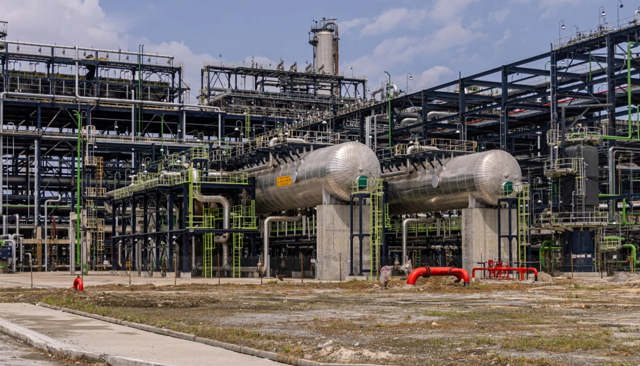
The 650,000-barrel-per-day Dangote Petroleum Refinery served as the primary engine for the domestic market, receiving 52.6 million barrels—representing 98% of all crude delivered to local refiners during the three-month period.
Commercial Resolution
The discrepancy observed in Q1 2026—where producers offered 68.7 million barrels but delivered less than half—was resolved in Q2 as refiners and upstream producers finalized bankable commercial terms, letters of credit, and local-currency settlement mechanisms (including the Federal Government’s Naira-for-Crude framework).
-
Dangote Demand vs. Acceptance: During Q2, the Dangote Refinery stated a operational requirement of 63.0 million barrels. Upstream producers offered 68.1 million barrels to the mega-refinery, of which Dangote ultimately accepted and processed 52.6 million barrels based on its specific crude slate blend and inventory capacity.
-
Modular Refineries Footprint: The remaining 1.1 million barrels delivered during the quarter went to smaller modular refiners across the Niger Delta region.
The NUPRC noted that the sustained growth in overall domestic crude output, combined with binding long-term sales contracts, has established a stable domestic supply chain, reducing Nigeria’s dependence on imported refined fuel products while keeping crude value addition within the domestic economy.
 Follow the MoneyCentral Nigeria channel on WhatsApp: Click here!