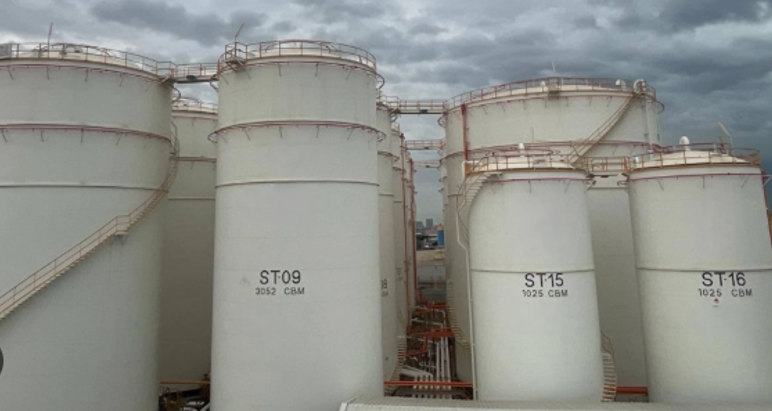



Pivot Integrated Energy Services Limited, a rapidly ascending force in the Nigerian downstream oil and gas sector, is transforming itself into a pan-African player, weaponizing a multi-billion naira debt program to bankroll an aggressive retail and logistics expansion.
According to a comprehensive credit assessment of the mid-sized distributor, Pivot is forecasting a staggering 300% explosion in top-line revenue for the full year 2026. The explosive growth projection follows a volatile 2025, where revenue contracted by 34% to ₦254.6 billion ($167.8 million) due to price normalization and intense localized competition.
To anchor this next leg of growth, which includes expanding its retail network, purchasing an oil vessel, acquiring a brownfield distribution competitor, and entering Ghana alongside two other African countries, Pivot has registered a massive ₦300 billion commercial paper (CP) program. The capital raise is designed to ease the intense working capital constraints inherent to high-volume fuel trading.
The Dangote Advantage vs. The Gasoline Margin Squeeze
Pivot’s operational profile is fundamentally anchored by a highly coveted bulk purchase agreement with Dangote Petroleum Refinery and Petrochemicals FZE. This strategic partnership grants the company robust supply security and structural logistics cost savings, positioning it as a primary pipeline for refined products across Nigeria.
However, this massive volume surge carries a clear profitability trade-off. Pivot’s EBITDA margins are on a downward slide, thinning from a peak of 8.3% in 2024 to 7.9% in 2025, and dropping further to 6.1% in Q1 2026.
GCR Credit analysts expect EBITDA margins to flatten out near 5.0% over the medium term. This compression is driven directly by the product mix: lower-margin Premium Motor Spirit (gasoline) is accounting for a much higher percentage of aggregate sales volumes, all while sticky domestic inflationary pressures erode operating efficiencies.
Governance Risk Flagged
Beyond the numbers, analysts are scrutinizing Pivot’s internal controls. The credit review explicitly identified a potential governance risk stemming from an highly concentrated boardroom structure. Two of the major shareholders are related individuals who simultaneously serve as executive board directors.
With only a single independent non-executive director currently seated on the board, analysts warn these two insiders possess unchecked influence over the company’s strategic and financial decision-making processes.
The Bottom Line: Pivot Energy is executing a high-velocity scale play. By leveraging its tier-1 supply arrangement with the Dangote Refinery, it is successfully capturing massive market share at the expense of its operating margins. While its ₦18.3 billion cash stack provides a dependable near-term shield, its transition into a ₦300 billion debt issuer means corporate governance and cash-conversion efficiency will dictate whether Pivot successfully pulls off its pan-African expansion.
 Follow the MoneyCentral Nigeria channel on WhatsApp: Click here!