
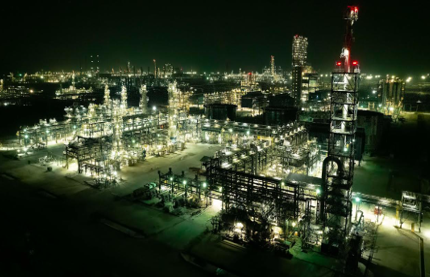



The Dangote Petroleum Refinery is rapidly evolving from a domestic fuel solution into a global powerhouse for middle distillates (Jet Fuel and Diesel/Gasoil).
As of March 7, 2026, the facility is operating at its full nameplate capacity of 650,000 barrels per day (bpd), with its core secondary units now stabilized following a pivotal maintenance shutdown in early February.
This operational surge is meeting a “perfect storm” of global demand, particularly from Europe and neighboring African nations, as the refinery positions itself to anchor the Atlantic Basin’s energy security.
The March 2026 Export Blitz
Just this week, trading sources confirmed that Dangote has issued significant new tenders to capitalize on record-high international prices for distillates.
| Product | Volume (March 2026 Tender) | Target Market | Status |
| Jet Fuel (A1) | 44,000 Metric Tons | Europe / US / Africa | Loading March 20–22 |
| Low-Sulphur Gasoil | 40,000 Metric Tons | Regional & International | 50ppm Max Sulphur |
| Total Distillates | 84,000 Metric Tons | — | Open Tender |
Source: Platts
-
Jet Fuel Surge: European jet fuel values have tripled from recent highs due to the US/Israel-Iran conflict, making Dangote’s 140,000 bpd jet fuel capacity a critical “release valve” for the Atlantic market.
-
Diesel/Gasoil: The refinery’s gasoil meets the Ultra-Low Sulphur Diesel (ULSD) specification (50ppm), allowing it to bypass previous quality barriers that once hindered African refined exports to Europe.
The “Atlantic Basin Reset”
Dangote’s ramp-up coincides with a structural deficit in Europe, where nearly 800,000 bpd of refining capacity has been permanently closed over the last two years.
-
Tonne-Mile Shift: Shorter voyages from Lagos to Europe and North Africa are beginning to displace long-haul shipments from the Middle East and Asia.
-
Regional Dominance: Nigeria has broadly remained a net exporter of middle distillates since May 2024, with current shipments now reaching Ghana, Togo, and Cameroon, effectively ending Europe’s long-standing “gasoline-for-crude” trade dominance in West Africa.
Operational Resilience: The RFCC Factor
The key to meeting this growing demand has been the restart of the Residual Fluid Catalytic Cracker (RFCC).
-
90% Capacity: As of March 4, 2026, the RFCC—the refinery’s main gasoline and distillate-producing unit—is running at 90% capacity (approx. 200,000 bpd).
-
Performance Tests: The refinery is currently undergoing intensive 72-hour performance tests with its technology partner, UOP (Honeywell), to ensure it can sustain nameplate throughput year-round.
 Follow the MoneyCentral Nigeria channel on WhatsApp: Click here!
)