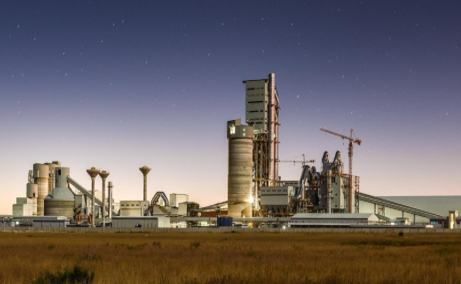



Dangote Cement Plc recorded a muted 2.0% year-on-year increase in net profit for the second quarter of 2026, as rising selling and distribution expenses erased gains from strong domestic sales volumes and expanding top-line revenue.
Profit after tax (PAT) for the three months through June 30, 2026, rose to ₦317.43 billion from ₦311.20 billion in the corresponding period of 2025. Revenue for the quarter rose 22.2% year-on-year to ₦1.315 trillion, supported by a 9.9% expansion in total cement sales volumes to 7.469 million metric tonnes.
Despite a 33.7% jump in gross profit to ₦840.34 billion—driven by disciplined production cost management—operating profit expansion was constrained by a 33.8% surge in logistics, freight, and distribution overheads (₦224.33 billion vs. ₦167.70 billion in Q2 2025).
Pan-African Margin Recovery Still Overshadowed by Nigerian Core
Performance in Dangote Cement’s Pan-African division showed operational improvement during the quarter, but the regional footprint continues to contribute a disproportionately small share of group profitability:
-
Regional Revenue: Pan-African turnover rose 12.8% year-on-year to ₦405.39 billion in Q2 2026, up from ₦359.47 billion in Q2 2025.
-
EBITDA & Profit Expansion: Operating profit from Pan-African plants more than doubled to ₦49.50 billion (up from ₦20.96 billion in Q2 2025), lifting the regional operating margin from 4.75% to 8.70%.
- Concentration Risk: Despite the margin recovery across West, Central, South and East Africa, domestic Nigerian operations continue to anchor the group, generating over 90% of total operating profit.
First-Half Trajectory and Outlook
For the full six-month period ending June 30, 2026, Dangote Cement’s cumulative net income benefited from a stronger first quarter (Q1 PAT: ₦321.1 billion), allowing H1 group net profit to reach ₦638.53 billion (+22.7% YoY) on total revenue of ₦2.514 trillion.
However, the standalone Q2 slowdown highlights ongoing margin drag from elevated haulage fuel prices, logistics distribution costs, and competitive pricing pressures in key non-Nigerian markets.
Management is relying on continuous investments in compressed natural gas (CNG) transport fleets and cross-border clinker export shipments to normalize regional freight expenses over the second half of 2026.
 Follow the MoneyCentral Nigeria channel on WhatsApp: Click here!