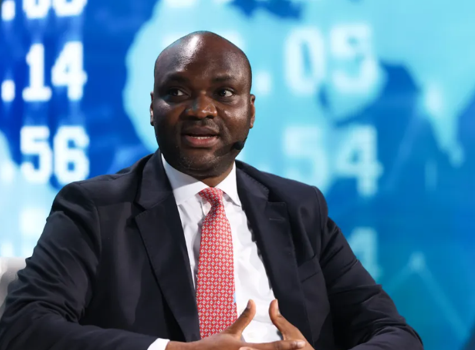



The Nigeria Sovereign Investment Authority (NSIA) investment management fees expense soared by 225% in 2024, as the manager of the country’s Sovereign Wealth Fund (SWF) invested through some 56 different Investment Fund Managers, leading to a ballooning of expenses.
Total investment management fees jumped by 225% to N9.21 billion in 2024 from N2.83 billion in 2023.
Over the last decade, the NSIA has invested over US$800 million in funds globally. As of the 2024 financial year, its investment footprint includes 56 total funds, excluding direct investments within Nigeria.
These investments are spread across various key regions worldwide, with the NSIA saying this global exposure is largely within the Future Generations Fund’s (FGF) externally managed investments.
In 2024 the NSIA on-boarded six new fund managers, including one ESG-focused fund and two US-based funds.
The FGF made N809 billion in profit for 2024. It looks impressive until you strip away N560.8 billion in net foreign exchange gains, which shows that the core gains linked to its investments (net gain on financial assets) was N176.5 billion, up from N133.47 billion in 2023.
Investment management fees for the FGF jumped to N8.27 billion from N2.3 billion in 2023.
Below is a list of some of NSIA investment managers:
Cevian, Edgbaston Investment Partners, Somerset, Marathon, Prince Street Capital, AQR, Goldman Sachs Asset Management, The Canyon Capital Realisation Fund (Cayman) Ltd, CNPG, Palestra Capital, Brasidas Asia, Alpstone Global Macro Fund, Holocene Advisors Ltd, Sachem Head Capital, Morgan Stanley Fund of Funds, NAYA FUND, Vanguard, Invesco QQQ, Fundsmith, John Street Systematic Limited, Bayview, Z Capital Partners, Healthcare Royalty Partners, Xenon, Helios Investors, FAFIN, Actis Africa, Africa Capital Alliance, RWC Emerging Market
Fund, Abraaj, Unigestion, Reverence Capital, Healthcare Royalty Partners L.P., EFG Global Equity Conviction Fund, G Squared, Xenon Private Equity, Artisan Fund, Alitheia IDF, Greenspring Associates, Helios, Euro Choice Secondary, Lombard Odier, BlueBox, LifeSci Venture, CardinalStone Capital, Gsquared, The Rise Fund, Petershill Private Equity, Verod Growth Fund, Synergy Private Equity, Ingressive Capital, Tidal Ventures LP, Gateway Fund, StepStone VC Secondaries Fund, Falko Regional Aircraft, Whitehorse Liquidity Partners (Offshore) LP, Actis Africa
Real Estate Fund, Lennertz & Co. Blockchain Fund II, Blume Ventures Trust IV, Alpha Partners Fund, Vektor Partners Fund I, Uhuru Growth Fund I, Bayside, Cerberus, Marlin Equity, OCM Opportunities, Sun Capital, Fortress Investment, Health IQ, Ventures Platform, UBS.,Blantyre Special Situations Fund,Africa 50 Infrastructure Acceleation Fund 1,LoftyInc Capital, Green Guarantee Company.
Lackluster returns
The NSIA held N4.42 trillion ($2.84 billion) in assets under management as of December 2024.
However the NSIA has posted lackluster returns for most of the years of operation since inception, due to its missing out on the solid equity returns over the period by hiring active fund managers instead of using cheaper index funds to gain exposure.
For instance, the compound annual return (CAGR) of Nigeria’s Sovereign Wealth Fund (managed by the Nigeria Sovereign Investment Authority, NSIA) from its inception in 2011 to 2024 is approximately 3.5% per year.
This is based on the fund’s growth from an initial $1.82 billion in 2011 to a net asset value of about $2.84 billion as of December 2024.
The poor performance compares with Norway’s Sovereign Wealth Fund (GPFG), which had a CAGR of about 6.44% per year annualized return since 1998, including 2011 to 2024.
Meanwhile, the S&P 500’s average annual return over the last decade-plus generally ranges between 9% to 12% depending on the exact timeframe.
The NSIA operates three Funds being the Stabilization Fund (SF), Future Generations Fund (FGF) and Nigeria Infrastructure Fund (NIF).
 Follow the MoneyCentral Nigeria channel on WhatsApp: Click here!