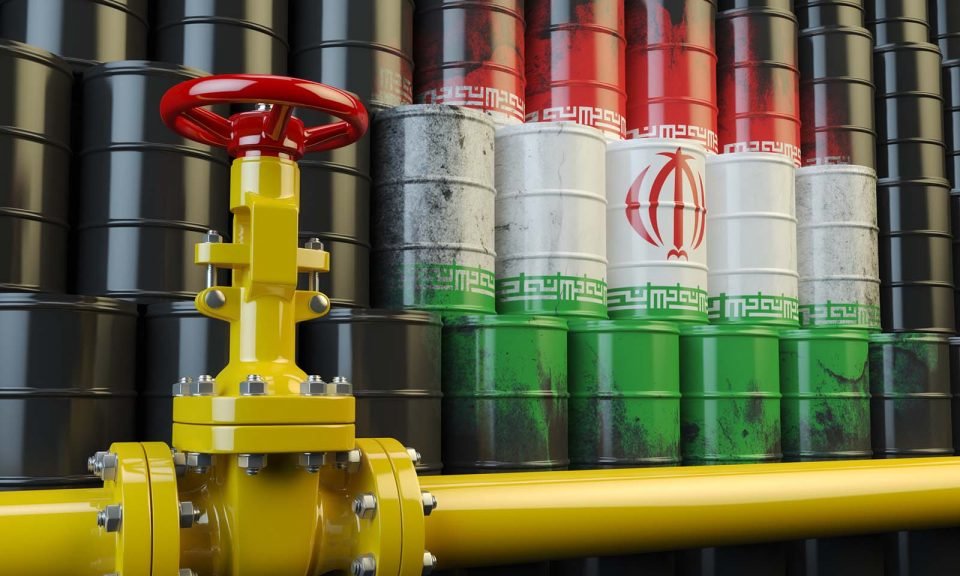



Iran’s currency, the rial, crossed a historical psychological barrier, falling past 2 million rials per U.S. dollar in open-market trading.
The record drop marks a dramatic acceleration of the country’s monetary decline, down from 1.4 million at the start of the year and 70,000 when the U.S. withdrew from the Joint Comprehensive Plan of Action (JCPOA) in 2018.
Sustained international sanctions, dwindling foreign exchange reserves, severe trade disruptions, and high domestic liquidity growth have fueled a runaway inflation spiral.
Point-to-point inflation metrics for essential foodstuffs have surged well into double-digit and triple-digit territory, sharply eroding consumer purchasing power across the country.
Key Market & Political Dynamics
-
Fiscal Subsidy Dilemma: To curb a swelling budget deficit, government planners are preparing to roll back heavily funded domestic fuel and energy subsidies. However, price hikes on basic commodities carry significant domestic political risk, historically acting as a trigger for widespread civil unrest.
-
Shift in Political Rhetoric: The public admissions by President Masoud Pezeshkian and Parliamentary Speaker Mohammad Bagher Ghalibaf reflect growing panic within top political circles. Senior leadership is increasingly acknowledging that military posture cannot substitute for baseline economic stability, liquidity access, and domestic industrial production.
-
Macroeconomic Contraction: Declining oil export revenues alongside restricted access to global banking channels continue to sever Iran’s access to hard currency, increasing reliance on informal markets and heightening systemic hyperinflation risks.
 Follow the MoneyCentral Nigeria channel on WhatsApp: Click here!