


Just days after FTSE Russell threw a wet blanket over Nigeria’s capital market recovery, S&P Dow Jones Indices (S&P DJI) has revived institutional optimism by officially placing Africa’s largest oil economy on its 2027 Country Classification Watchlist for a potential upgrade to Frontier Market status.
The decision marks an important regulatory milestone for Nigeria, which is currently pigeonholed in the index provider’s “Standalone” basket—a defensive tier reserved for capital markets failing to meet basic international accessibility, transparency, or settlement benchmarks.
Under the new announcement, S&P DJI will track the country’s financial architecture through the remainder of 2026, building toward a definitive reclassification decision during next year’s annual review cycle.
Decoupling From the FTSE Pause
The potential inclusion on S&P’s watchlist arrives at a critical psychological juncture for domestic capital regulators.
Just last week, FTSE Russell suspended its own highly anticipated plan to restore Nigeria to its Frontier index this September. FTSE opted to pause implementation because it needed a longer analytical window to evaluate how Nigeria’s ultra-aggressive transition to a T+1 accelerated settlement cycle (clearing and settling equity trades in exactly one business day) would impact liquidity for international asset managers.
By proactively signaling a 2027 runway, S&P DJI is validating Nigeria’s regulatory momentum without rushing the hurdle.
The index manager explicitly noted that while the Nigerian regulatory environment has rapidly modernized to improve transparency, enforcement, and market integrity, the key to a formal upgrade will be “consistency in policy application and operational resilience” over an extended operational trial period.
Unlocking the Passive Capital Tap
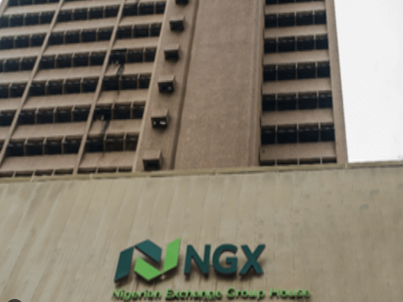
For the Securities and Exchange Commission (SEC) and the Nigerian Exchange (NGX) Group, re-entering a global benchmark is the ultimate prize for their multi-year liberalization campaign.
The financial stakes of migrating from a Standalone market to a Frontier designation are significant for domestic asset valuations:
-
Automated ETF Allocations: Emerging and frontier status determines the programmatic inclusion of local equities into massive, multi-billion-dollar passive Exchange-Traded Funds (ETFs) and index-tracking mutual funds.
-
Foreign Portfolio Investment (FPI) Velocity: Most global institutional mandates statutorily bar fund managers from deploying capital into “Standalone” networks due to structural exit risks. Re-classification instantly widens the investable universe to premium global allocators.
-
The Liquidity Multiplier: Fresh dollar inflows from international tracking funds create deeper liquidity on the trading floor, helping to lower the long-term cost of equity capital for domestic corporate issuers looking to scale.
While S&P’s watchlist status is an validation rather than a finalized promotion, it confirms that Nigeria’s macro-financial reforms are successfully resonating with the gatekeepers of global capital. The ball is now firmly back in Abuja’s court to ensure that the newly deployed market plumbing remains fluid, predictable, and resilient against secondary macroeconomic shocks.
 Follow the MoneyCentral Nigeria channel on WhatsApp: Click here!