
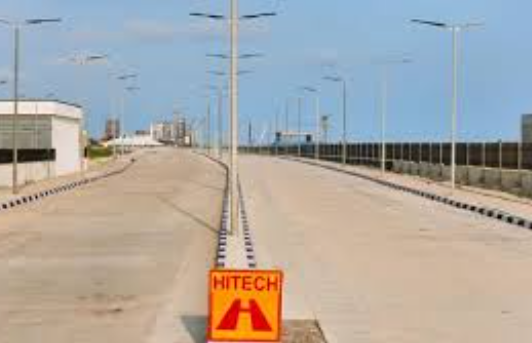



Nigeria’s ₦31 trillion ($22 billion) pension industry has entered advanced implementation stages to launch a specialized infrastructure investment vehicle, shifting from historical state-debt conservatism toward high-yielding real sector growth.
The Director-General of the National Pension Commission (PenCom), Omolola Oloworaran, confirmed that the proposed Pension Industry Infrastructure Fund (PIIF) has cleared its foundational hurdles.
A comprehensive governance framework has already been distributed to individual Pension Fund Administrators (PFAs), who are expected to consult their respective boards and finalize investment commitments within the next one to two months.
The regulatory push is designed to pool institutional resources into a dedicated Special Purpose Vehicle (SPV) capable of bankrolling complex development programs at scale. Nigeria is actively seeking private capital to modernize its deteriorating road networks, rail corridors, off-grid energy platforms, and healthcare systems.
Dismantling the Conservative Playbook
The creation of the PIIF marks an important evolution in Nigeria’s retirement assets management. For nearly two decades, domestic pension funds operated under tight regulatory constraints, keeping the vast majority of their assets safely locked up in low-risk Federal Government of Nigeria (FGN) bonds and short-term treasury bills.
However, with double-digit inflation placing severe pressure on real returns, PenCom has altered its stance. By expanding permissible retirement investment boundaries to explicitly encompass private equity, infrastructure bonds, and private debt, the regulator is encouraging fund managers to find assets that can generate real, above-inflation yields while supporting critical public goods.
Data published on PenCom’s portal highlights that the appetite for alternative allocations is already scaling up. Total pension investments dedicated to third-party infrastructure funds jumped 38% year-on-year to hit ₦318 billion ($230 million) as of May, up from ₦230 billion recorded in the corresponding period last year.
Prudent Allocations and Voluntary Buy-In
Despite the systemic enthusiasm coming from Abuja, PenCom spokesman Ibrahim Buwai emphasized that the regulatory body will not force asset allocations. The ultimate decision to deploy capital into the newly minted SPV remains strictly with individual pension companies, and the final structural size of the collective fund remains open-ended.
Industry analysts note that actual pension exposure to infrastructure and real estate projects sits below 5.0% of total assets under management—well below the maximum limits permitted by law.
The primary historical bottleneck has not been a shortage of capital, but a distinct scarcity of bankable, transparently structured infrastructure projects capable of satisfying strict fiduciary standards.
By packaging these high-impact investments inside a heavily monitored, ring-fenced SPV, the PIIF aims to hand PFAs a de-risked institutional channel to put their dry powder to work. This move could help turn the country’s largest pool of long-term savings into a primary engine for domestic economic modernization.
 Follow the MoneyCentral Nigeria channel on WhatsApp: Click here!
 pension industry entered advanced implementation stages to launch an infrastructure investment vehicle)